



Comprehensive Guide to Blepharoplasty (Eyelid Surgery) in Antalya, Turkey with Medcarya
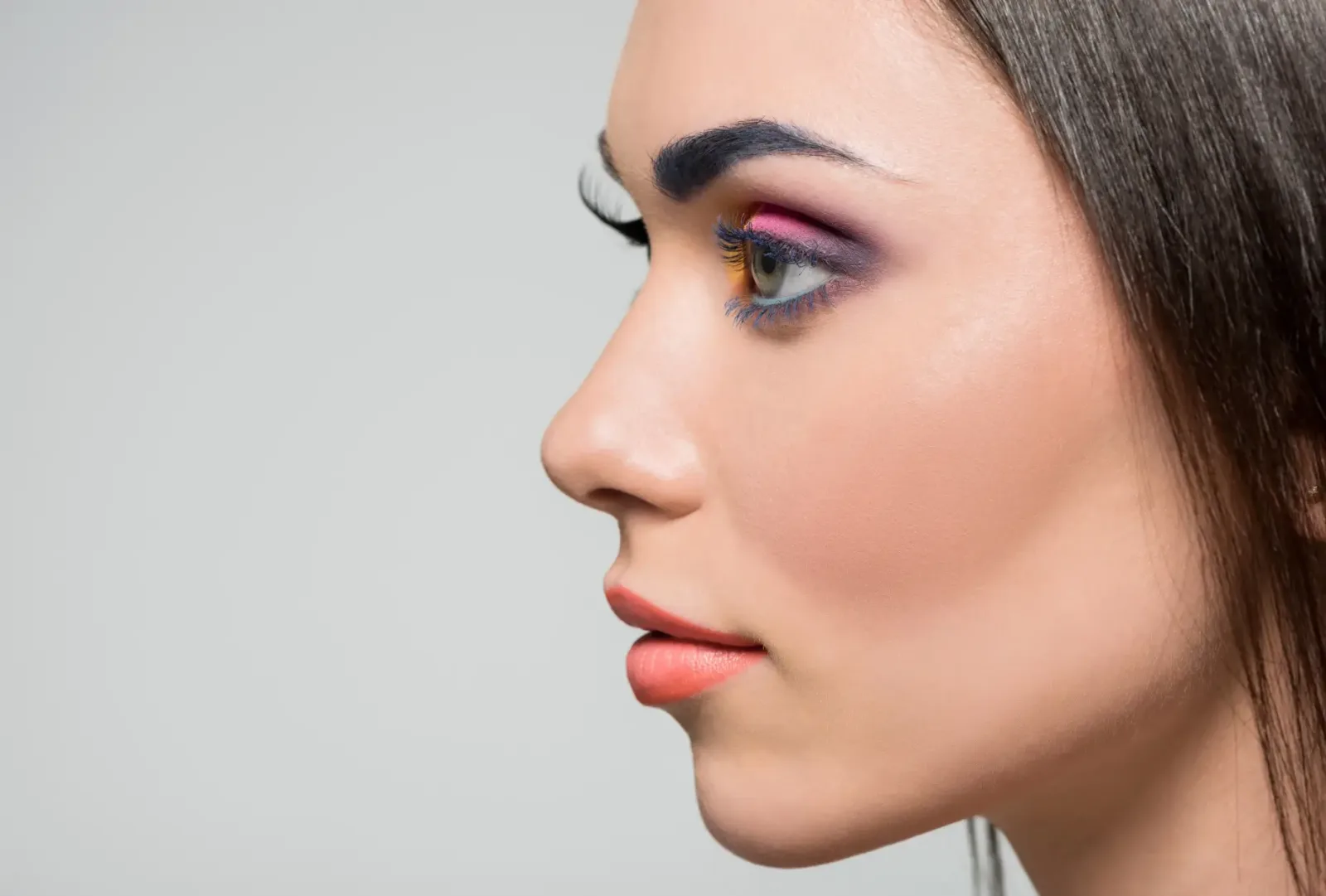
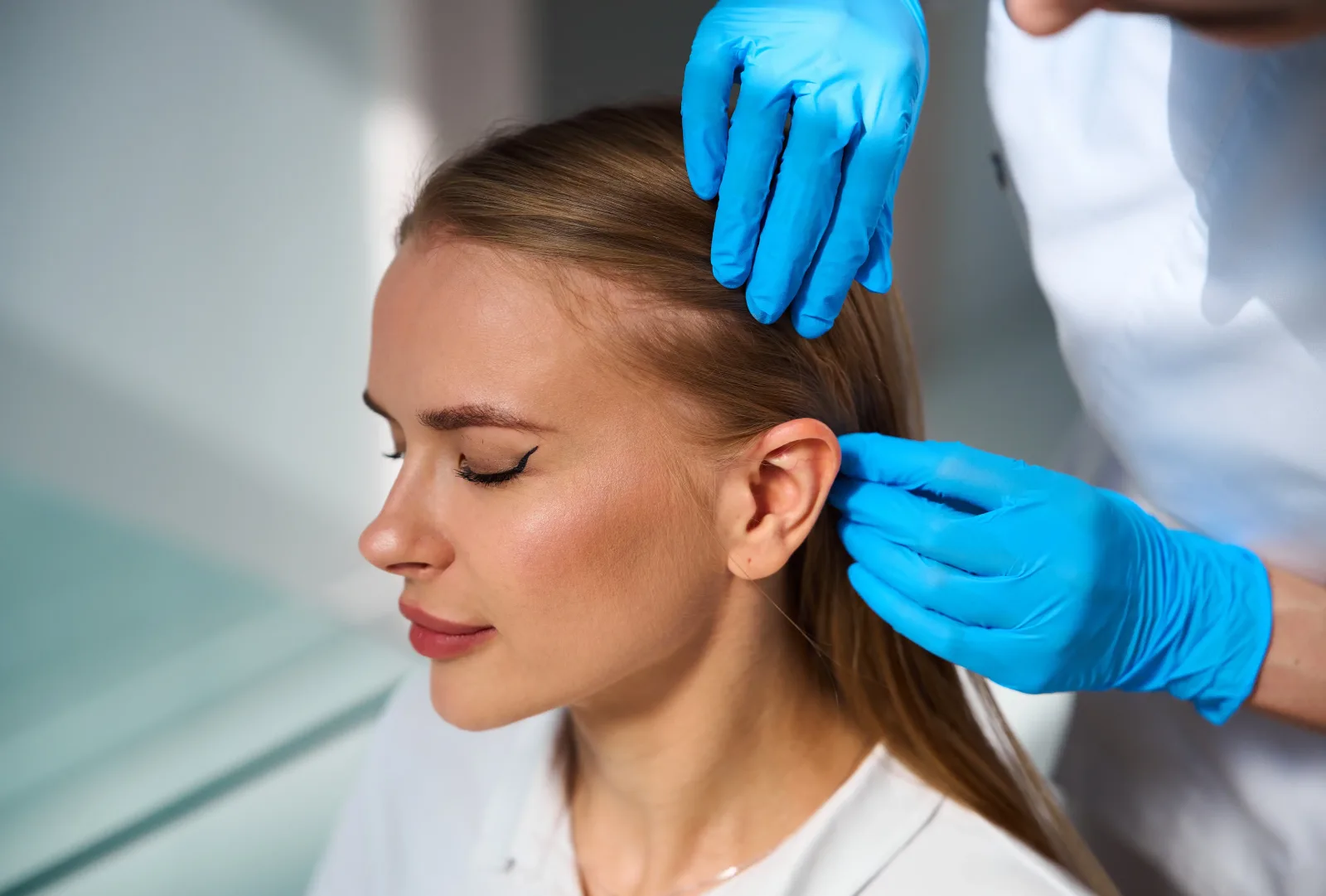
The eyes are universally recognized as the central focal point of human communication, emotional expression, and facial vitality. Because the periorbital skin is the thinnest and most fragile tissue on the human body, it is frequently the very first area to demonstrate noticeable biological aging. Over time, progressive collagen loss, continuous blinking mechanics, sun exposure, and genetic factors cause the upper eyelids to stretch into heavy hooded folds and the lower eyelids to develop puffy, herniated fat bags with dark shadow hollows. This not only imparts a chronically fatigued, sad, or prematurely aged facial expression but can also physically impair the superior and lateral visual fields. Blepharoplasty (Eyelid Surgery) is a precise aesthetic and functional ophthalmic procedure designed to excise redundant skin, reposition or remove herniated orbital fat, tighten supportive muscular loops, and restore an alert, refreshed, and vibrant periocular aperture. Medcarya connects international patients with board-certified plastic, oculoplastic, and facial aesthetic surgeons and JCI-accredited surgical hospitals in Antalya, Turkey for state-of-the-art Upper Blepharoplasty, Lower Blepharoplasty, Transconjunctival Fat Repositioning, and Asian Double Eyelid Surgery.
Whether your goal is to eliminate heavy upper eyelid hoods to improve eyesight, eradicate chronic under-eye bags, smooth the tear trough transition, or achieve a rested look while enjoying a restorative Mediterranean getaway, this comprehensive clinical guide provides in-depth insights into periorbital anatomy, advanced surgical modalities, candidate criteria, combined aesthetic procedures, recovery protocols, cost advantages, and your VIP healthcare experience with Medcarya in Antalya.
Anatomy of the Periorbital Complex: Layers and Function
Achieving a naturally refreshed, harmonious eye contour without hollows or dry-eye complications requires a thorough understanding of the layered anatomy of the upper and lower eyelids:
- Layer 1 - Periorbital Skin: Extremely delicate (typically less than 1 mm thick) with minimal subcutaneous fat. With age, cellular elasticity declines, causing the skin to stretch, fold over the lashes (pseudoptosis), and form lateral fine creases.
- Layer 2 - The Orbicularis Oculi Muscle: The circular sphincter muscle responsible for closing the eyelids. Age-related attenuation leads to muscular laxity, while focal muscle hypertrophy in the lower lid can create prominent under-eye rolls.
- Layer 3 - The Orbital Septum: A fibrous connective tissue membrane that acts as a structural retaining wall, holding the deeper orbital fat compartments securely within the eye socket. When the septum weakens over time, orbital fat herniates forward, creating visible bags.
- Layer 4 - Intraorbital Fat Compartments: In the upper eyelid, there are two distinct fat pads (medial and central). In the lower eyelid, there are three distinct fat compartments (medial, central, and lateral). Modern eyelid surgery focuses on preserving and transposing this fat rather than aggressively removing it, preventing an aged, sunken, or skeletal appearance.
- Layer 5 - Tarsal Plate, Levator Mechanism & Canthal Tendons: The firm structural skeleton of the eyelid edge, the levator muscle responsible for elevating the upper lid, and the lateral canthal tendon anchoring the outer eye corner. Preserving canthal support is critical to maintaining proper eyelid positioning and tear drainage.
Advanced Surgical Modalities in Modern Eyelid Surgery
Medcarya’s partner surgeons in Antalya utilize minimally invasive, microsurgical techniques tailored to the patient’s age, eye shape, and anatomical requirements:
1. Upper Blepharoplasty (Upper Eyelid Surgery)
The definitive procedure for correcting heavy, hooded upper eyelid skin and medial fat herniation. Through a delicate incision hidden precisely within the natural supratarsal crease, the surgeon excises redundant skin, removes a conservative strip of lax orbicularis muscle, and contours excess medial fat.
- Aesthetic and Functional Benefits: Restores a crisp upper eyelid platform, makes applying eye makeup effortless, widens the perceived vertical eye aperture, and expands the superior visual field for improved sight.
2. Lower Blepharoplasty with Fat Transposition (Subciliary Approach)
Ideal for patients presenting with both under-eye fat bags and loose, wrinkled lower eyelid skin. The incision is made inconspicuously 1 to 2 mm below the lower lash line. Instead of simply discarding the herniated fat, the surgeon transposes and secures the fat pads downward over the orbital rim to fill and smooth the sunken tear trough hollows.
3. Transconjunctival Lower Blepharoplasty (Scarless Technique)
The gold-standard approach for younger and middle-aged patients who have puffy under-eye fat bags with firm, elastic skin. The incision is placed entirely on the inside of the lower eyelid (through the conjunctiva).
- Key Benefits: Zero external skin incisions, no visible scars, no alteration to the natural almond shape of the eye, and an exceptionally rapid recovery timeline.
4. Lateral Canthopexy and Canthoplasty
Often integrated into lower eyelid procedures for patients with pre-existing lower lid laxity. The lateral canthal tendon is tightened and anchored to the periosteum of the lateral orbital rim, preventing lower lid sagging (ectropion) and creating a youthful, almond-shaped eye contour.
5. Asian (Double Eyelid) Blepharoplasty
A specialized surgical procedure that creates a defined, natural supratarsal fold in patients with monolid anatomy, widening the eye aperture while respecting ethnic identity and facial harmony.
6. Harmonious Complementary Facial Procedures
To achieve seamless harmony across the entire upper and middle face, blepharoplasty is frequently combined with:
- Temporal / Brow Lift: Elevates descending outer brow tails, preventing redundant brow tissue from crowding the newly sculpted upper eyelids.
- Midface / Endoscopic Cheek Lift: Lifts fallen malar cheek fat pads to create a smooth, continuous transition from the lower eyelid into the cheek.
- Periorbital Micro-Lipofilling: Transplants purified micro-fat into hollowed temples and tear troughs to replenish lost facial volume.
- Fractional CO2 Laser or Chemical Peeling: Tightens fine lower lid crepiness and improves overall skin collagen density.
Why Choose Antalya, Turkey for Blepharoplasty with Medcarya?
Antalya is internationally recognized as a premier destination for ophthalmic and facial plastic surgery. Choosing Medcarya for your procedure in Antalya provides distinct clinical and travel advantages:
- Master Plastic & Oculoplastic Surgeons: Turkish surgeons have extensive clinical experience in delicate periorbital microsurgery, performing thousands of successful eyelid procedures annually with microscopic precision in suture placement and tissue preservation.
- JCI-Accredited Hospital Infrastructure: Surgeries are performed exclusively in premier multidisciplinary private hospitals equipped with modern operating theaters, sterile recovery units, and 24/7 dedicated medical care.
- 50% to 70% Financial Advantage: Favorable exchange rates and lower operational overheads allow international patients to receive elite surgical care, luxury hotel accommodation, and VIP transfers at a fraction of private clinic fees in London, Dublin, Zurich, or Frankfurt.
- Discreet Seaside Recovery: Recuperate in complete privacy while enjoying Antalya’s mild Mediterranean climate, luxury coastal resorts, and tranquil seaside atmosphere away from social and professional circles.
The Medcarya Advantage: VIP All-Inclusive Care Package
Undergoing aesthetic facial surgery abroad demands seamless logistical coordination, clear clinical communication, and attentive post-operative support. Medcarya oversees every operational, clinical, and hospitality detail from the moment you arrive:
Safety, Precision, and Periorbital Harmony: Every blepharoplasty package organized by Medcarya includes full pre-operative diagnostics, ophthalmological evaluations, dedicated cold-therapy packs, lubricating eye care protocols, and 12 months of structured follow-up consultations.
What is Included in Medcarya’s All-Inclusive Blepharoplasty Package?
- Comprehensive Pre-Operative Diagnostic Evaluation: Complete blood count, coagulation profile, biochemistry, ECG, visual acuity checks, and in-person anesthesiology consultations.
- Surgical & Anesthesia Fees: Eyelid surgery procedure, senior plastic surgeon fees, anesthesiologist fees, operating theater utilization, and all microsurgical suture materials.
- In-Hospital Recovery Care: Day-surgery suite or 1 night in a private hospital suite with 24/7 dedicated nursing care, pain management protocols, and specialized eye cooling therapy.
- VIP Chauffeur Transfers: Private luxury vehicle transport covering all airport, hotel, hospital, and clinic journeys.
- Flexible Hotel Accommodation: Options ranging from charming boutique hotels to 5-star resorts in Antalya for the patient and an accompanying guest.
- Personal Multilingual Coordinator: Dedicated patient coordinator providing real-time bedside translation, appointment management, and personal assistance throughout your stay.
- Post-Operative Medication & Ophthalmic Kit: Complete prescription package including oral antibiotics, analgesics, anti-inflammatory medications, lubricating eye drops, ophthalmic antibiotic ointments, and cooling gel eye masks.
- 12-Month Remote Follow-Up Protocol: Scheduled video consultations at 1, 3, 6, and 12 months to monitor scar maturation, swelling resolution, and aesthetic outcomes.
Am I a Suitable Candidate for Blepharoplasty?
Blepharoplasty is an individualized aesthetic and functional procedure. You are considered an ideal candidate if you meet the following clinical criteria:
- Visible Eyelid Aging: Heavy, sagging upper eyelid skin touching the lashes, chronic under-eye bags, sunken tear troughs, or localized puffiness.
- Visual Field Impairment: Upper eyelid skin overhang that obstructs the superior or peripheral visual fields, causing eye strain and brow fatigue.
- Good General & Ophthalmic Health: Free from uncontrolled systemic illnesses or severe unmanaged eye conditions such as glaucoma, dry eye syndrome, or retinal detachment.
- Strict Non-Smoker: Nicotine constricts microvascular capillaries and impairs delicate wound healing around the eyelids. Candidates must stop smoking at least 4 to 6 weeks before and after surgery.
- Realistic Aesthetic Expectations: Understanding that blepharoplasty refreshes and brightens the eye area, restoring youthfulness without altering your basic identity.
The Surgical Journey: Step-by-Step Procedure in Antalya
Blepharoplasty is performed under local anesthesia with light sedation or general anesthesia, typically taking between 1 to 2.5 hours depending on whether upper, lower, or four-lid blepharoplasty is performed:
- Step 1 - Pre-Operative Surgical Mapping: While you are seated upright, the surgeon marks the natural eyelid creases with microscopic precision, measuring the exact millimeters of redundant skin to ensure full eyelid closure post-surgery.
- Step 2 - Local Anesthetic Infiltration: A gentle injection of local anesthetic with dilute epinephrine is administered to numb the eyelids and constrict tiny blood vessels, preventing intraoperative bleeding.
- Step 3 - Upper Eyelid Sculpting (If Planned): The marked crescent of redundant skin and a fine strip of orbicularis muscle are excised. Excess medial fat is conservatively contoured.
- Step 4 - Lower Eyelid Fat Contouring & Transposition: Through a transconjunctival or subciliary incision, herniated fat pads are released and repositioned over the orbital rim to smooth tear troughs.
- Step 5 - Canthal Support (If Indicated): A lateral canthopexy is performed to reinforce lower eyelid tension and prevent postoperative malposition.
- Step 6 - Micro-Suturing & Cold Dressing: Incisions are closed with hair-thin micro-sutures. Ophthalmic ointment and cold compresses are immediately applied to soothe the periorbital tissues.
Recovery Timeline and Aftercare Protocol
Adhering to structured post-operative protocols ensures a rapid, comfortable, and optimal aesthetic outcome throughout your recovery journey:
| Recovery Period | Clinical Progress & Healing Experience | Care Guidelines & Lifestyle Protocols |
|---|---|---|
| Days 1 – 3 | Mild tightness around the eyes, localized eyelid swelling, and mild bruising. Mild tearing or light sensitivity. Peak edema occurs around Day 3. | Rest with head elevated on 2–3 pillows. Apply cold gel packs for 15 minutes every hour while awake. Apply prescribed eye drops and ointment. Avoid screens, reading, and bending down. |
| Days 4 – 7 | First clinical check-up. Suture removal day (typically Day 5 or 6). Swelling and bruising begin to subside rapidly, turning a faint yellow-green hue. | Gently clean eyelid margins with sterile saline. Wear dark sunglasses outdoors to protect from light and wind. Light walking is encouraged. Avoid rubbing eyes. |
| Weeks 2 – 4 | Major swelling and bruising resolve by 75–85%. Normal eyelid mobility and vision return fully. Incisions enter the active remodeling phase. | Return to desk-based work, driving, and social activities. Contact lenses may be resumed after Week 2. Mineral makeup may be applied over healed skin. Apply SPF 50+ sunscreen. |
| Weeks 5 – 8 | Residual swelling resolves completely. Incision lines soften and fade. The eye contour appears bright, alert, and rested. | Resume full gym workouts, vigorous exercise, and swimming. Continue protecting periorbital skin from direct sun exposure. |
| Month 3 to 6 | Final tissue maturation. Incision scars within the eyelid crease and lash line become virtually invisible, pale lines. | Enjoy a refreshed, open, and permanently rejuvenated eye contour that enhances your facial vitality for 10 to 15+ years. |
Expected Long-Term Results and Aesthetic Benefits
- Refreshed, Youthful Eye Expression: Permanent eradication of heavy upper eyelid hoods and puffy under-eye fat bags.
- Expanded Visual Field: Eliminates obstructed superior and peripheral vision caused by drooping upper lid skin.
- Smooth Tear Trough Transition: Fat transposition fills sunken under-eye hollows, significantly reducing dark shadowing.
- Virtually Invisible Incisions: Meticulously concealed within natural eyelid creases or behind the lash line, leaving imperceptible scars once healed.
- Long-Lasting Rejuvenation: Structural fat repositioning and muscle tightening ensure durable results that endure for 10 to 15+ years.