
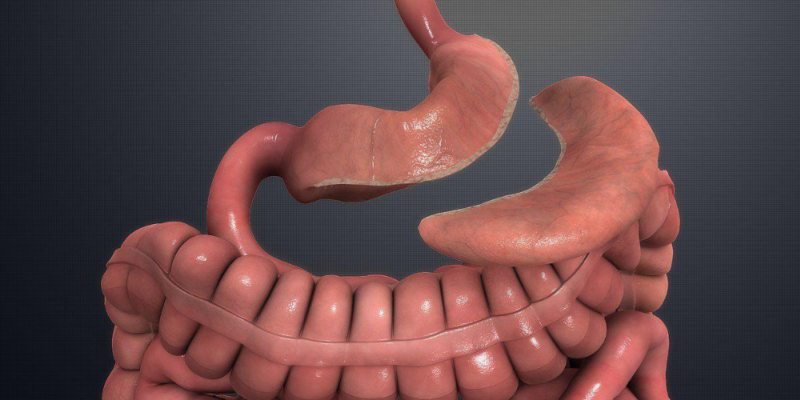
Gastric Sleeve (Sleeve Gastrectomy)
Gastric sleeve surgery is a bariatric procedure that reduces the stomach size by approximately 75–80%, creating a sleeve-shaped stomach. This procedure limits food intake, reduces hunger hormones, and promotes significant weight loss. It improves metabolic health, supports long-term weight management, and can alleviate obesity-related conditions such as type 2 diabetes, hypertension, and sleep apnea. At our health tourism platform, gastric sleeve surgery is managed as a comprehensive weight-loss journey integrating pre-operative assessment, surgical precision, and structured post-operative care.
Who Is a Good Candidate
Candidates include individuals who:
- Have a body mass index (BMI) of 35 or higher
- Struggle with obesity-related health conditions
- Have previously attempted diet and exercise without sustained results
- Maintain realistic expectations and good overall health
A detailed evaluation includes medical history, nutritional assessment, psychological readiness, and imaging studies.
Pre-Treatment Process
Pre-operative preparation involves:
- Comprehensive medical assessment and lab tests
- Nutritional counseling and dietary planning
- Psychological evaluation to ensure readiness for lifestyle changes
- Education about surgical procedure, risks, and post-operative expectations
- Instructions on pre-surgery diet, medications, and lifestyle adjustments
Surgical Procedure
Performed under general anesthesia laparoscopically:
- Several small incisions are made in the abdomen
- Approximately 75–80% of the stomach is removed
- The remaining stomach is shaped into a narrow tube or sleeve
- Staples and sutures secure the new stomach structure
- Surgery typically lasts 1–2 hours with minimal blood loss
Post-Treatment & Recovery
Recovery begins in the hospital with monitoring for 1–2 days. Early mobilization and hydration are emphasized. Patients follow a staged diet plan: liqui